BikePacking is the Ultimate in NON-Glamping
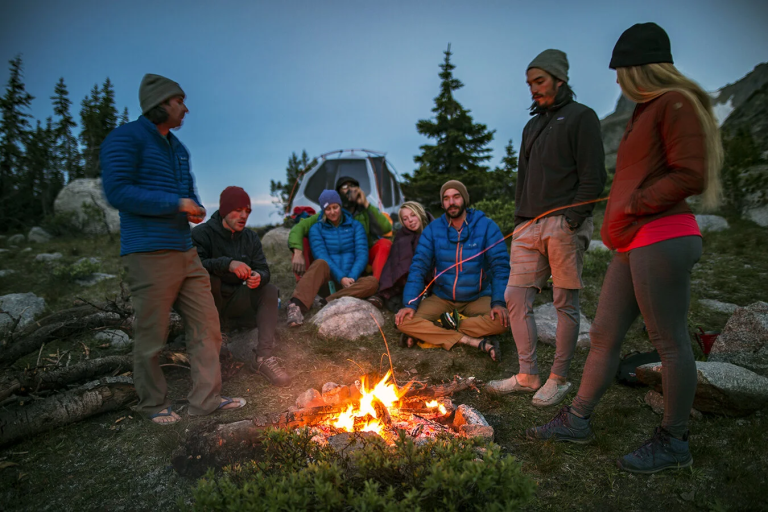
Bikepacking is more than just a ride in the woods; it’s an adventure that combines the excitement of backroads cycling with camping
What is Bikepacking?
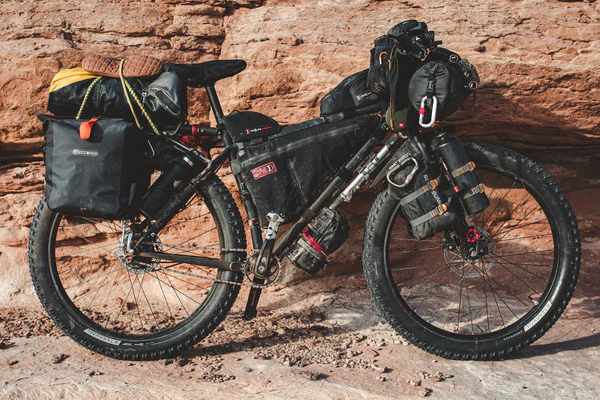
Simply put, bikepacking is a mix of all-terrain cycling and backpacking. It evokes the freedom of backcountry hiking and travel off the beaten path but with the added range, quicker pace, and thrill of riding a nimble bicycle.
Bikepacking involves carrying the essential gear—and not much more—on an off-road-capable bike for an overnight or multi-day ride. That could range from a full load with sleeping gear, a cooking kit, and food for camping to a minimal kit with just the clothing and supplies you need to link shelters or hotels.
Using a mountain bike for bikepacking is ideal for rugged singletrack, rough doubletrack, and technical backcountry routes, offering unmatched control and comfort over rocky or rooty descents. It’s all about pedaling further into places less traveled, both near and far, over gravel and forgotten dirt roads, and connecting with the vast landscapes, welcoming people, and diverse places encountered along the way. Bikepacking routes commonly incorporate a variety of mixed surfaces linked via paved backroads, towns, byways, and rail trails.
The Starter Kit
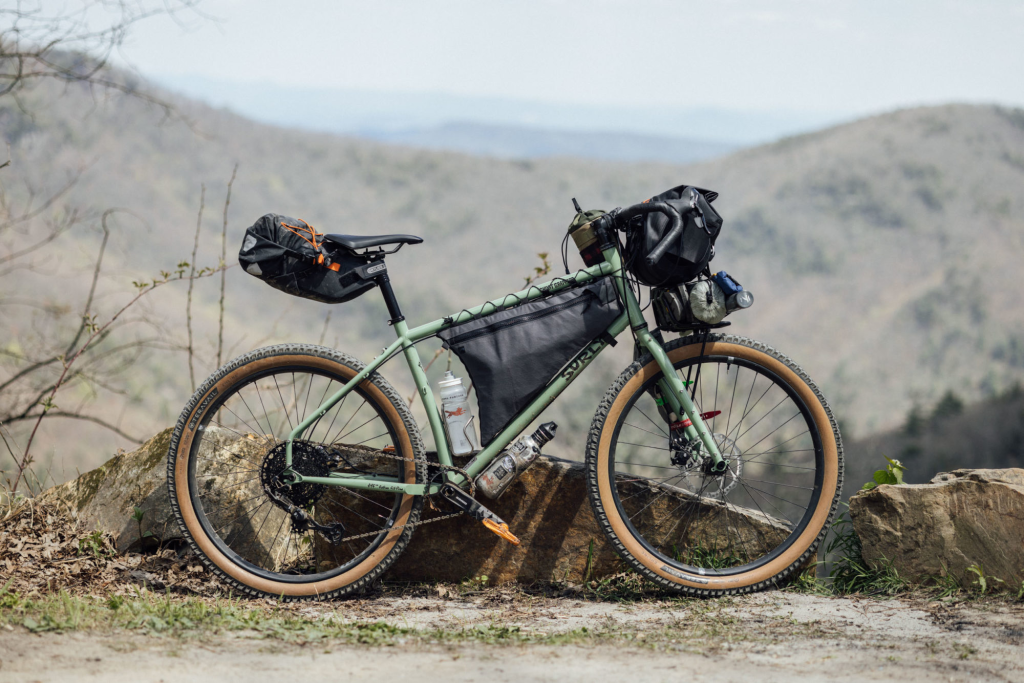
If you want to try bikepacking but aren’t ready to invest in a set of purpose-made bags, you can use a few simple pieces of gear you probably already own to do a quick overnighter.
Seat pack dry bag: For a seat pack, you can use a 5- to 7-liter dry bag clipped around the seatpost and cinched to the saddle rails with a webbing strap to store a change of clothes and a few other odds and ends.
On the handlebars: Use a larger 14- to 20-liter dry bag cinched to the handlebars with two pieces of webbing or Voile straps. This can fit a small tent, with the poles assisting in keeping the bag’s shape, and a lightweight down sleeping bag.
Backpack: For many types of bikepacking, it’s more comfortable to ride without a backpack, but they can be useful for more technical rides or overnighters. The backpack can carry a hydration pack (water), along with extras like a sleeping setup, rain gear, or food and cooking supplies. If you don’t like the extra weight on your back, just electrical tape bottle cages to your fork legs or the underside of your down tube, in addition to your standard water bottle cage mounts.
The Bike
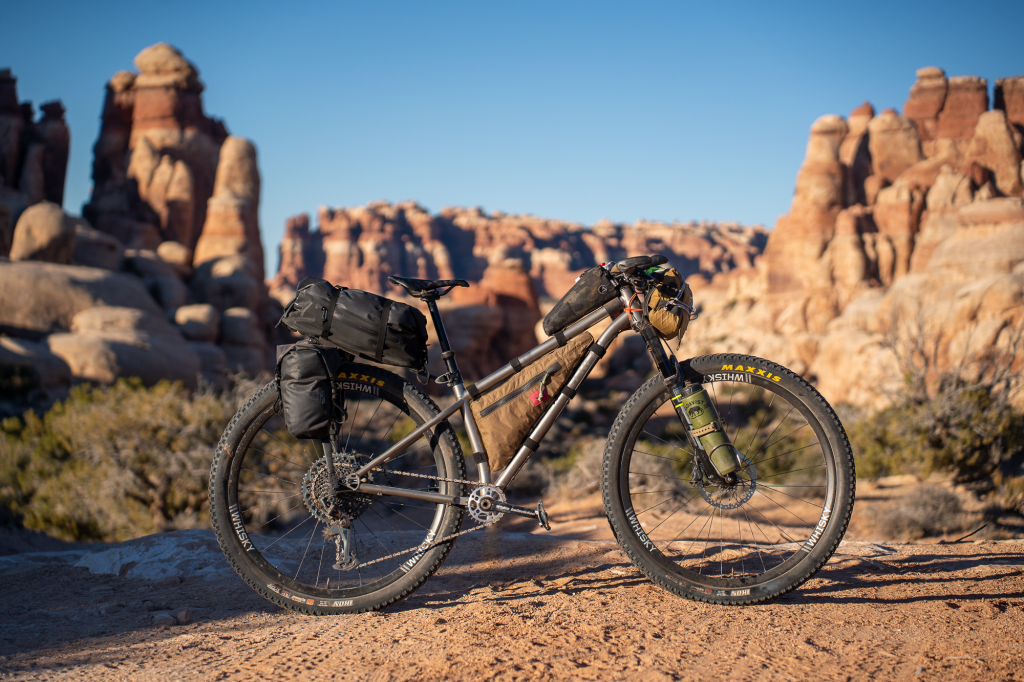
The roots of modern bikepacking are based on using a hardtail cross-country bike or a rigid all-terrain bike (ATB) with soft bags and minimal racks (or none at all). Bikepacking at its core is carrying only the bare necessities on a bike that’s capable, reliable, nimble, and light enough to explore a medley of trails, dirt tracks, and gravel roads. Almost all mountain bikes can be made into capable bikepacking rigs, but the quintessential choice is a rigid or hardtail 29er outfitted with 2.2-2.6” tires.
Here are some quality options:
The Nordest Sardinha is a great rigid 29er with loads of mounts and a lively geometry
The Revel Wayward is a titanium 29+ bike that ticks a lot of boxes
The Esker Hayduke LVS cut its teeth on the Baja Divide and has become a do-all bikepacking mainstay over the years
The Tumbleweed Stargazer comes in both steel and titanium and makes a great bike for this style of riding
What to Pack
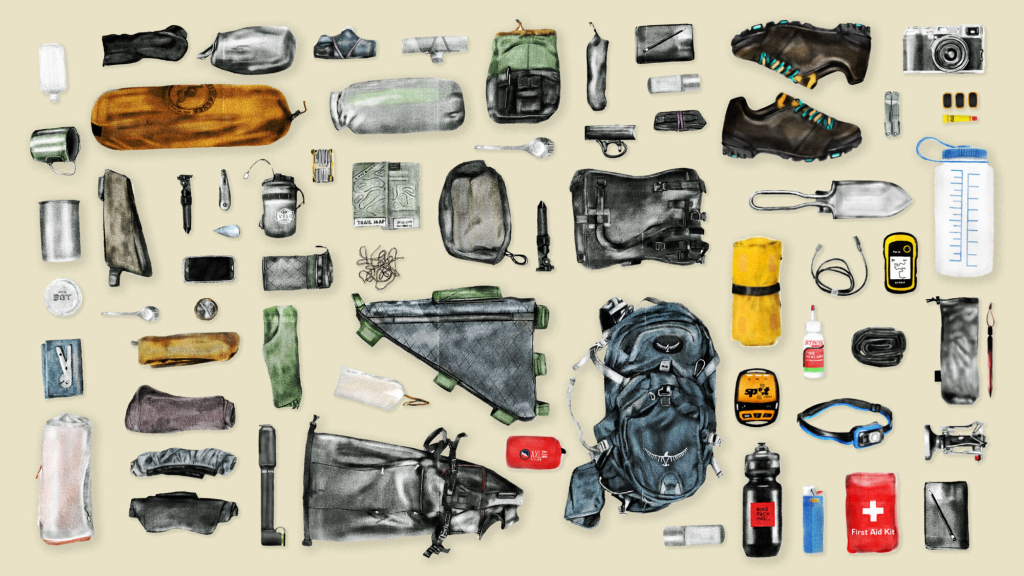
Now that you’ve put some thought into the variety of bikepacking bags options, let’s walk through what goes inside them. We’ve put together a comprehensive list covering six main categories of gear. This is a good baseline kit that we use for many of our bikepacking adventures. Typically, we carry most of what’s listed here—aside from the alternates—plus a few of the extras.
Here are some “must haves’ listed below.
Shelter
The bulkiest part of a bikepacking gear list is typically the shelter. There are a few variations to consider, and it’s important to keep in mind that there are usually multiple components within a shelter system.
Here are five main types of camping shelters:
Tent — ultralight tents are the most common shelter used by bikepackers as they’re fully enclosed to keep out bugs and critters
“Fast fly” — a setup that’s possible with some tents using just the rainfly, ground sheet, and poles; it works much like a tarp but is easier to set up
Tarp — a good, lightweight solution if bugs and critters aren’t an issue
Hammock — another option for solo bikepackers; requires trees to set up and a separate underquilt for colder temperatures
Bivvy — an ultralight, water-resistant bag that’s often the choice of minimalists and ultra-endurance racers
Sleep System
One stumbling block that newcomers often have with camping is getting a comfortable night’s sleep. If you’re planning to invest in new sleeping gear, do your homework first.
Sleeping bag — down or synthetic with a temperature rating to match or exceed the nightly forecasted temperatures of the locations you’re planning on bikepacking
Quilt — a great ultralight alternative to sleeping bags; the biggest difference is they don’t have a back or zippers and rely on the insulation in the sleeping pad
Sleeping pad — there are many options to choose from in both inflatable or closed-cell foam styles; make sure that your sleeping pad has a sufficient R-value (insulation rating) to keep your back warm
Sleeping bag liner — an accessory to increase the temperature rating of your sleeping bag
Inflatable pillow — a worthy addition, but some folks prefer to just stuff clothes in a dry bag to use as a pillow
Food and Water
The equipment needed for preparing and hauling food and water can vary greatly between routes. On average, it’s a good rule of thumb to have the capacity for 2-6 liters of water storage and space for 2-4 days’ worth of food, although these numbers can change substantially based on the trip. Remember, since you’ll be cycling, you’ll need quite a few more calories than you would otherwise.
When assembling your camp kitchen, try to plan it so that most (if not all) of the different components can nest within the cooking pot. This saves space and keeps things organized.
Stove — decide on the type of stove you’ll need depending on fuel availability where you’re traveling (isobutane canisters, alcohol, or diesel/petrol)
Fuel storage — isobutane canisters, alcohol, or diesel/petrol in the appropriate container
Pot — 0.7-1.5 liter capacity; titanium is ideal for weight savings and durability
Mug — a titanium mug is nice to have; if you want to be ultra-minimal, a 600 to 700ml pot can double as a mug
Spork — a handy minimalist utensil; the Snowpeak Titanium Spork is our favorite
And these, too — Lighter, Bandana, Folding knife, Salt and pepper, Coffee maker, Spice mix or hot sauce
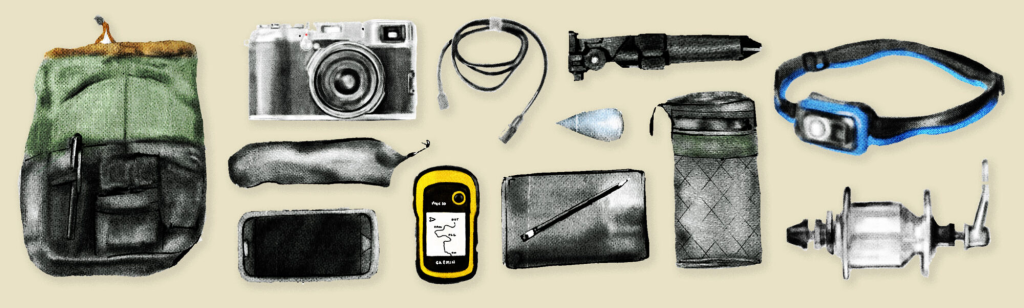
Don’t forget the food, GPS, charging blocks, headlamp, camera….and several other items!!
Original Story Link